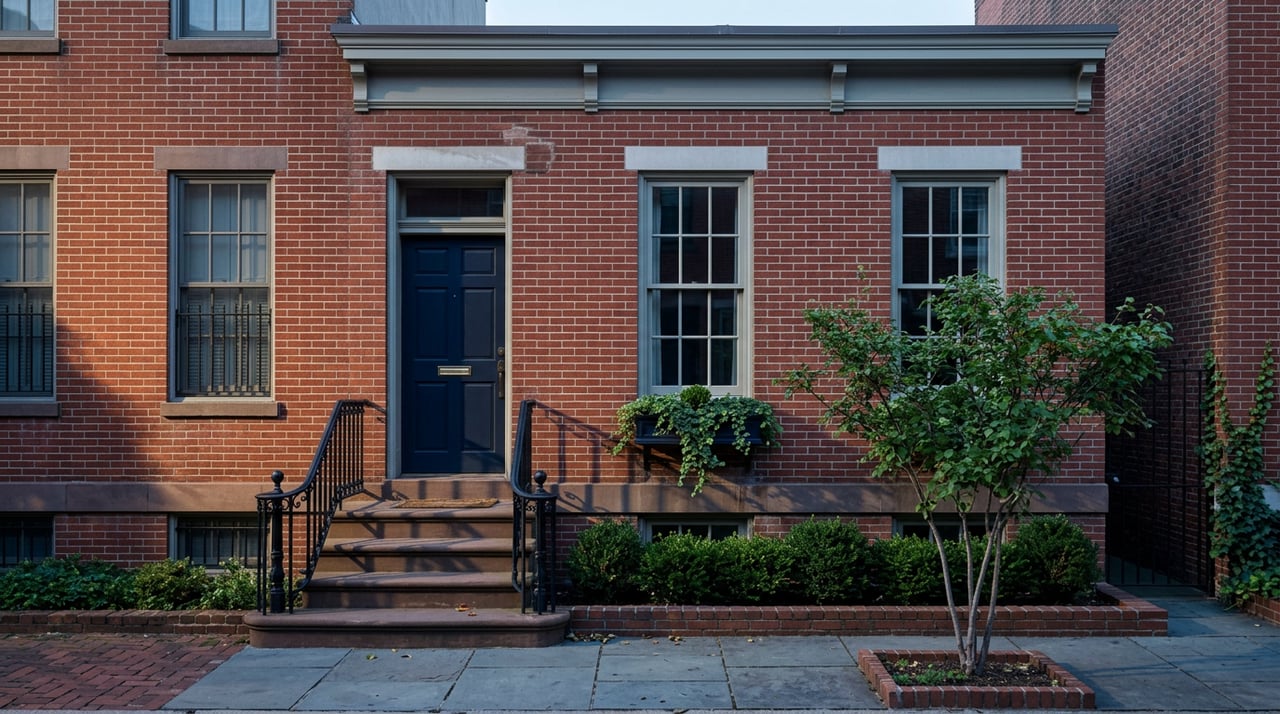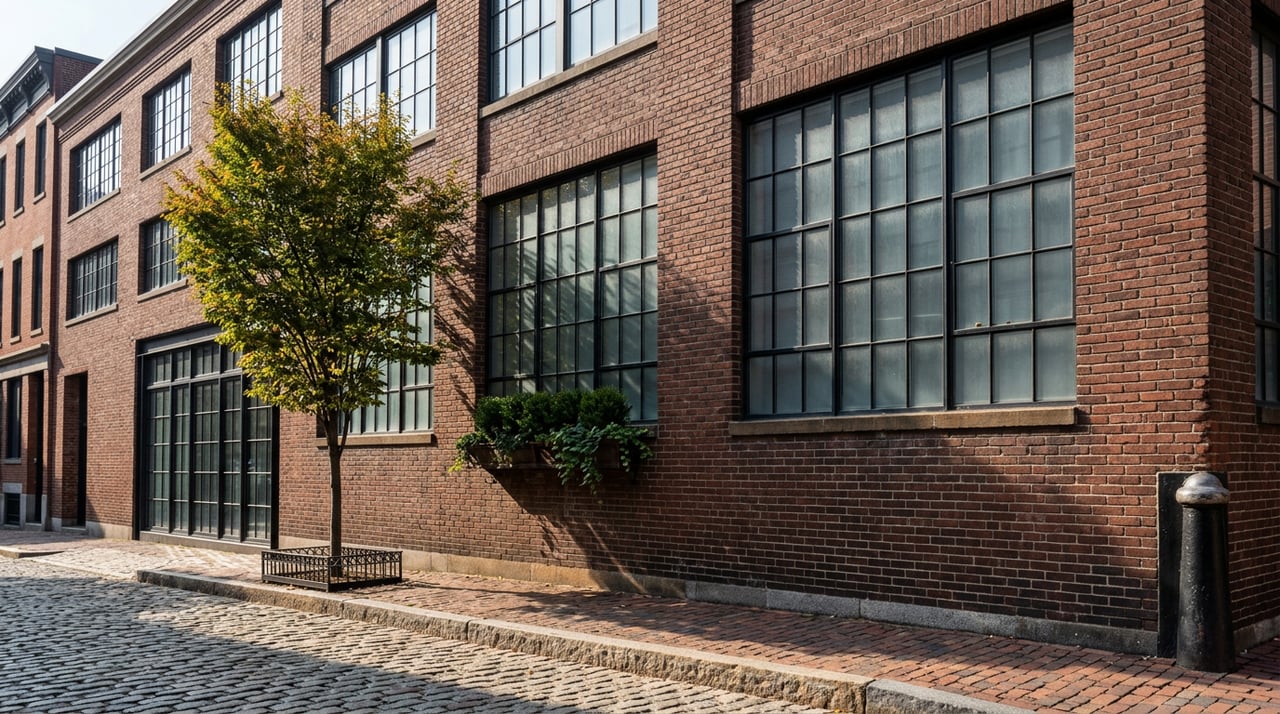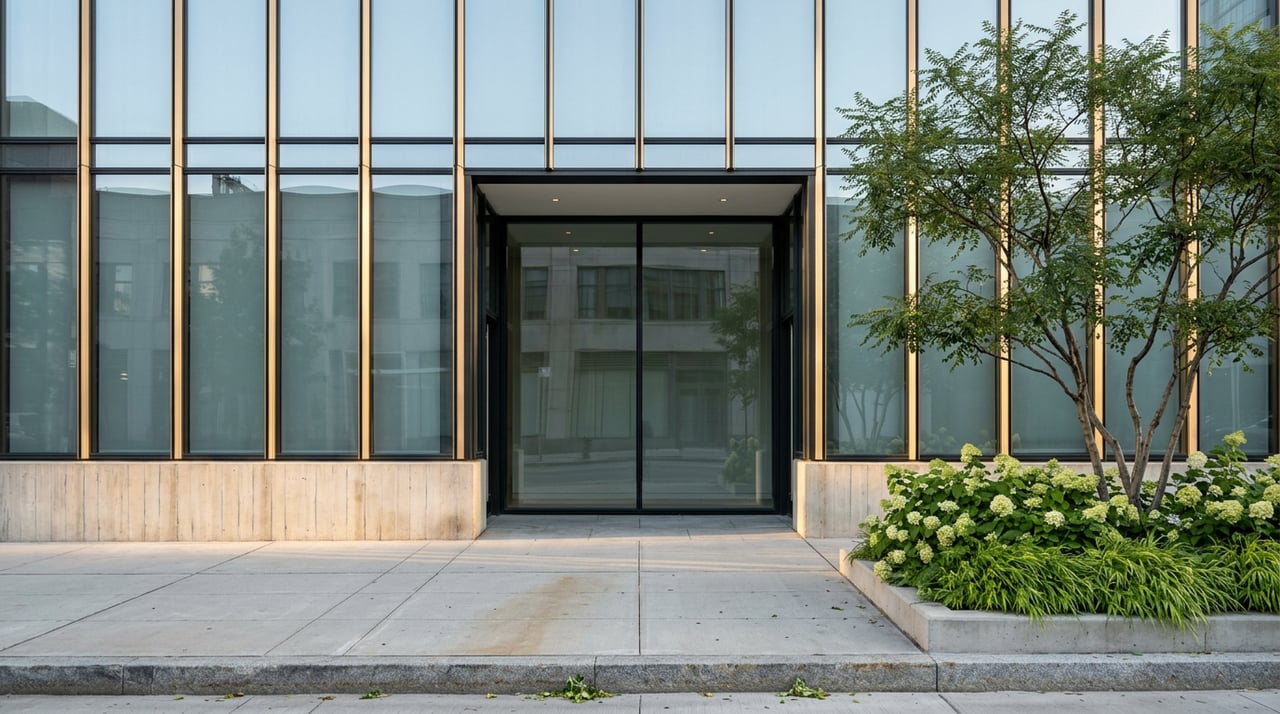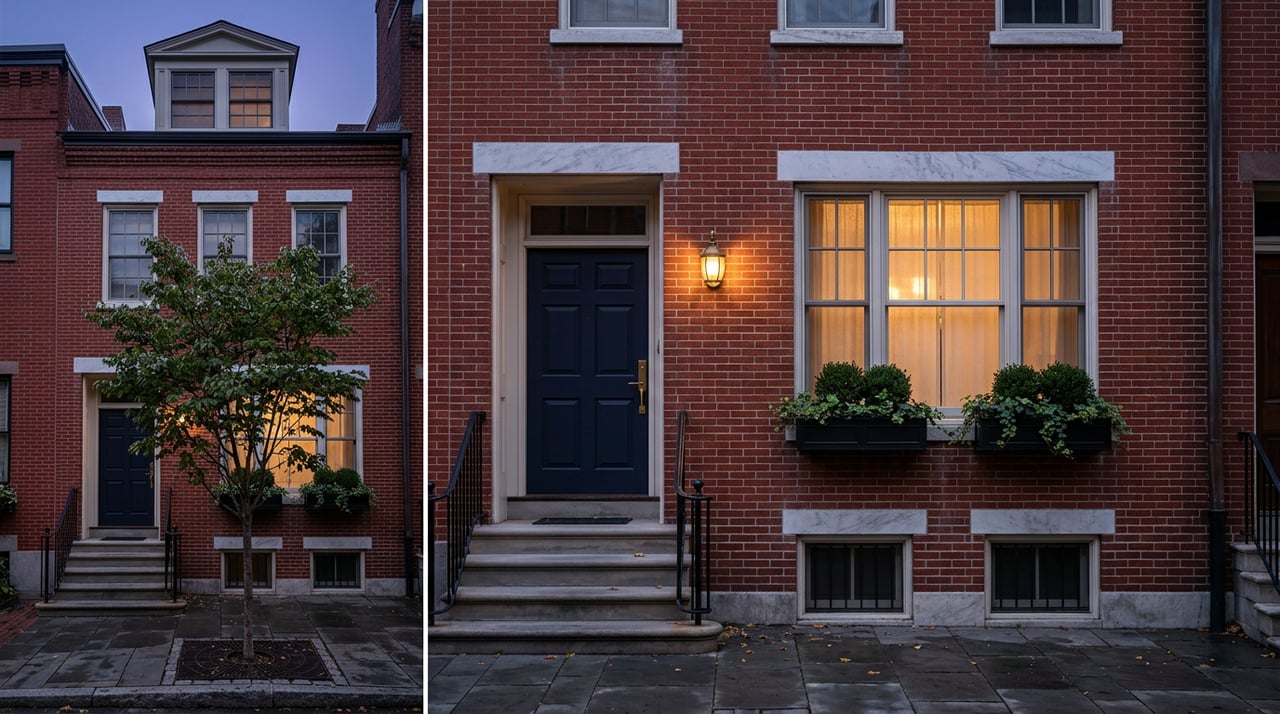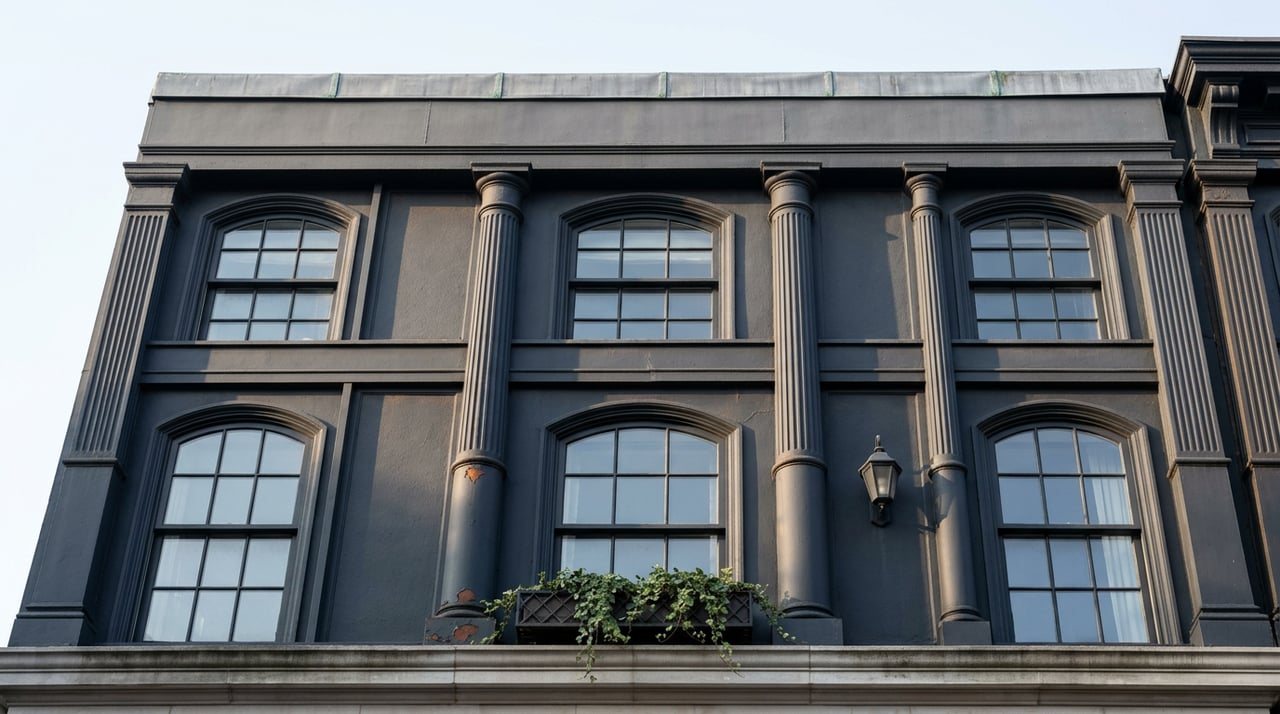
Two lofts, same block, same cast-iron facade, same twelve-foot ceilings and exposed columns. A buyer touring both last spring would have struggled to tell them apart. One had a line buried in its offering plan and Certificate of Occupancy that the other didn't: Joint Living-Work Quarters for Artists. On paper, that line meant the unit was still restricted to a certified artist. In practice, it meant nothing at all had been enforced in decades and everything about financing, resale, and price had quietly changed under it.
That gap between what a loft looks like and what its paperwork says is the story most SoHo guides skip. And this year it stopped being a theoretical curiosity, because on January 13, 2026, the New York Court of Appeals settled a question that had been open since 2021. The court didn't just rule on a fee. It changed what waiting costs.
Why a Manufacturing Zone Has Living Rooms
SoHo's lofts exist because the neighborhood was never supposed to have residents. The area was zoned for manufacturing, home to the factories and warehouses that gave the district its cast-iron bones. When that industry left New York, artists began moving into the empty buildings for cheap studio space, technically against the law. The city responded in the 1970s with a workaround called Joint Living-Work Quarters for Artists, or JLWQA, which let a certified fine artist occupy a manufacturing-zoned loft as if they were a light manufacturer. The certification process still runs through the NYC Department of Cultural Affairs, which reviews applicants for a professional body of work and issues certification at no cost.
That designation still sits on the Certificate of Occupancy for a meaningful share of SoHo and NoHo loft buildings. It is not something a walkthrough reveals. It shows up only when someone pulls the paperwork, which is exactly why it catches buyers off guard.
The Rezoning Gave Owners a Way Out. The Courts Just Decided the Price Was Real.
In December 2021, the City Council rezoned SoHo and NoHo, creating the Special SoHo-NoHo Mixed Use District and, for the first time, a voluntary path off the artist-certification requirement. A JLWQA unit could convert to ordinary residential use through certification by the Chairperson of the City Planning Commission, paired with a one-time, non-refundable contribution to the SoHo-NoHo Arts Fund. The contribution rate: $100 per square foot of converted floor area, a fee that owners and attorneys have put at roughly $250,000 for an average-sized loft, and one that is indexed to rise over time rather than fixed.
A coalition of longtime residents sued, arguing the fee amounted to an unconstitutional condition on a building permit. A mid-level appellate panel agreed in December 2024 and struck it down. Then, on January 13, 2026, the Court of Appeals reversed that decision 6-1 in Matter of Coalition for Fairness in Soho & Noho, Inc. v. City of New York, upholding the fee and, according to one law firm's analysis of the decision, ending years of uncertainty for property owners including condominiums and cooperatives who want to move forward with conversion.
That ruling is the reason the math changed for anyone shopping a SoHo loft this year. The fee was never really in doubt as policy. What was in doubt was whether it would survive a constitutional challenge, and now it has, at the state's highest court, with an indexed rate that only climbs the longer a building's owners wait to resolve it.
Not Every SoHo Loft Carries the Same Exposure
The detail that gets lost in coverage of the ruling is that it doesn't apply evenly across the neighborhood. Whether a given loft is exposed to the Arts Fund fee comes down to a timing quirk in state housing law. Buildings that were developed and co-oped as JLWQA before New York enacted the state Loft Law in 1982 are the ones the conversion fee targets. Buildings developed after 1982, roughly half the stock, fall instead under the Interim Multiple Dwelling framework, are governed by the NYC Loft Board rather than the Arts Fund process, and are fully exempt from the fee.
That distinction is the single most useful thing a buyer can confirm before falling for a listing. A building that has already completed the Loft Board's IMD process and holds a final Certificate of Occupancy has closed the loop permanently. The New Museum Building at 158 Mercer Street is often pointed to as an example of what that resolved status looks like on the other side of the process, a building where the zoning history no longer shadows the unit's value.
Here is the practical difference between the two categories:
| JLWQA Co-op or Condo | Loft Law / IMD Building | |
|---|---|---|
| Governing body | City Planning Commission, DCLA | NYC Loft Board |
| Arts Fund fee applies | Yes, on conversion or sale to a non-artist buyer | No, exempt entirely |
| Certificate of Occupancy status | May still read JLWQA / artist-restricted | Can be final residential CO |
| Financing | TCO or mixed-use status can slow or block a lender | Clear residential CO is easier to finance |
| What a buyer should request | Chairperson certification status, Arts Fund payment history | Loft Board IMD registration number |
The Buyers Who Are Protected, and the Ones Who Aren't
A partial settlement reached in 2023 added another layer. Anyone who was already occupying a JLWQA unit as of December 15, 2021, the date the rezoning passed, is deemed to occupy it lawfully and can sell to a non-artist buyer without triggering the fee themselves. The state legislature reinforced this a few months later by amending the definition of "artist" under the Multiple Dwelling Law, so a long-term occupant is treated as an artist for occupancy purposes whether or not they ever went through DCLA certification.
That protection travels with the occupant, not the deed. A buyer who purchases a JLWQA unit today and moves in after the 2021 cutoff does not inherit that grandfathered status. Their own future resale to a non-artist would be the transaction that triggers the fee, at whatever the indexed rate happens to be by then. This is the part of the ruling that turns an abstract legal outcome into a concrete negotiating point today.
There is also a longer political backstory worth knowing if a seller or their attorney raises it. In early 2024, Community Board 2 voted to support a proposal from Councilman Christopher Marte to eliminate the conversion fee altogether, with Assemblymember Deborah Glick and Councilwoman Carlina Rivera, who represents NoHo, both weighing in on the debate at the time. The January 2026 ruling closes that door at the judicial level, though it does not prevent future legislative efforts to revisit the fee. For now, the fee stands, and it is the number a buyer needs to plan around rather than hope away.
One more piece of context tempers all of this without erasing it: since the artist-certification requirement was first enacted in 1971, no non-artist occupant of a JLWQA unit has ever been fined or evicted for noncompliance. Enforcement has been effectively nonexistent for decades. That history explains why the designation has been so easy to overlook. It does not change what shows up on a title search, a lender's file, or a co-op board's questionnaire, which is where this designation actually costs a buyer money and time.
Before You Write an Offer
A few questions are worth answering before getting attached to a specific listing:
- Does the unit's Certificate of Occupancy reference Joint Living-Work Quarters for Artists, or has it been converted to standard residential use?
- If it is still JLWQA, is the building pre-1982 (subject to the Arts Fund fee on conversion or sale) or does it hold an IMD registration with the Loft Board (exempt)?
- Has a Chairperson certification and Arts Fund contribution already been completed for this specific unit, and is there a receipt or filed document confirming it?
- Will your lender treat the current CO status as a red flag, and does that affect your rate lock or timeline?
None of this shows up on a walkthrough. It shows up in the building file, and it is worth confirming before an attorney review period closes rather than after.
Common Questions
Do I have to be a certified artist to buy a SoHo loft? Only if the specific unit still carries an active JLWQA designation and has not been converted or registered as exempt under the Loft Law. Many SoHo lofts today fall outside that restriction entirely.
Who actually pays the Arts Fund fee, buyer or seller? It depends on how the deal is structured, but the fee attaches to the conversion of the unit's use, so it is frequently negotiated into the purchase price or handled by the seller before closing. Confirm which party is responsible in writing before signing a contract.
Does the January 2026 ruling mean the fee could still change? The Court of Appeals decision upheld the fee's constitutionality, which resolves the legal challenge that had been working through the courts since 2021. It does not prevent the City Council from revisiting the fee through legislation, which is the route local officials have pursued in the past.
SoHo rewards buyers who read the building file as carefully as they read the listing photos. If you are looking at a loft here and want a second set of eyes on its Certificate of Occupancy before you write an offer, Ian Radoncic has spent years working through exactly these building-specific questions with SoHo buyers and sellers. Schedule A Consultation to talk through what a specific address actually means for your timeline and your budget.