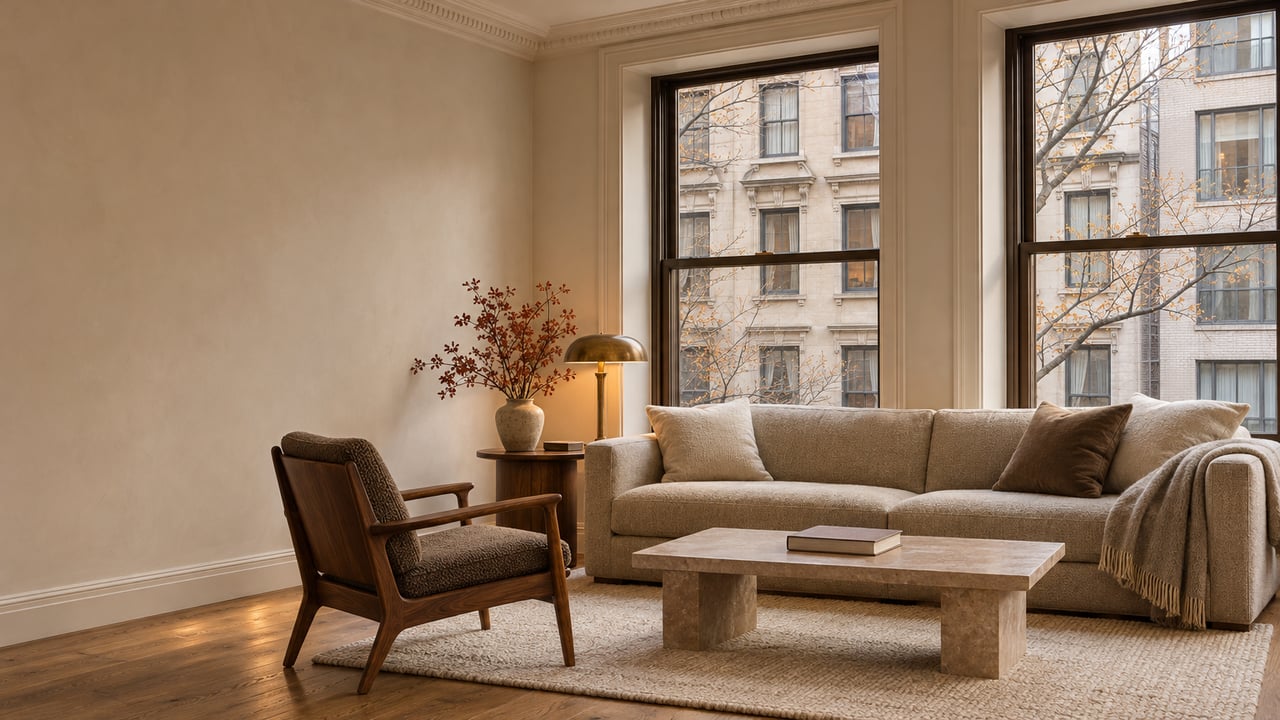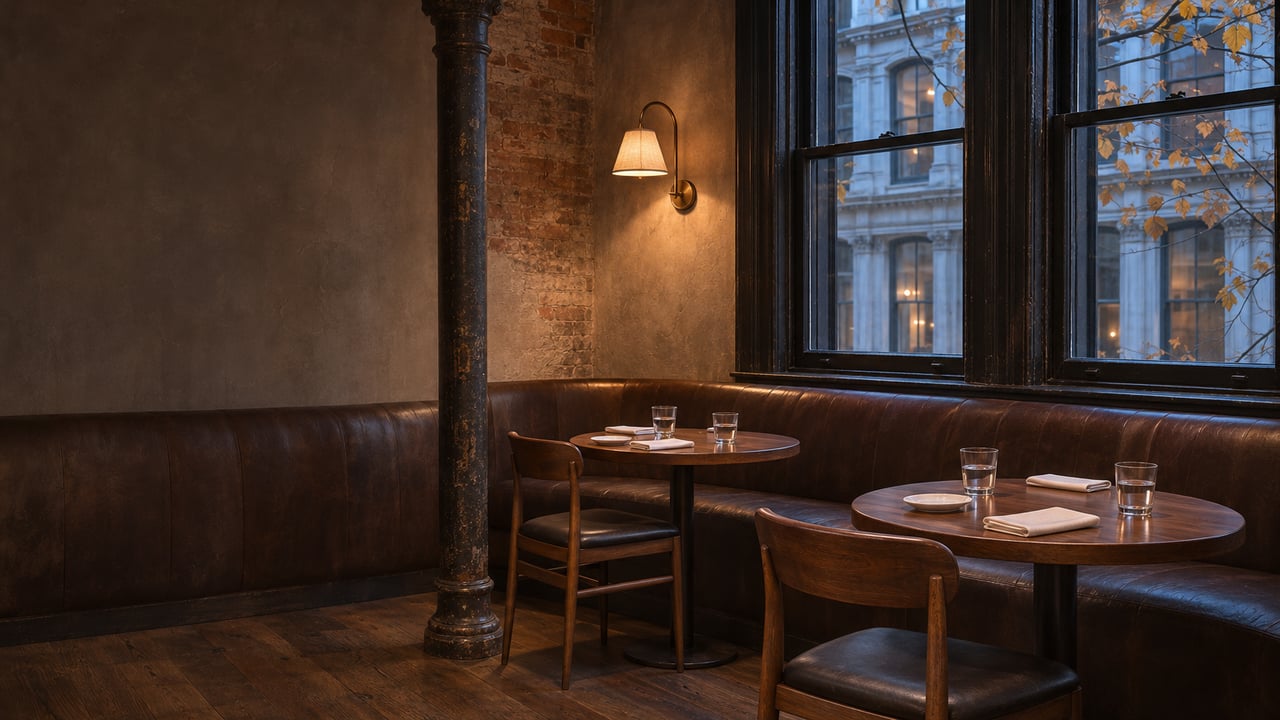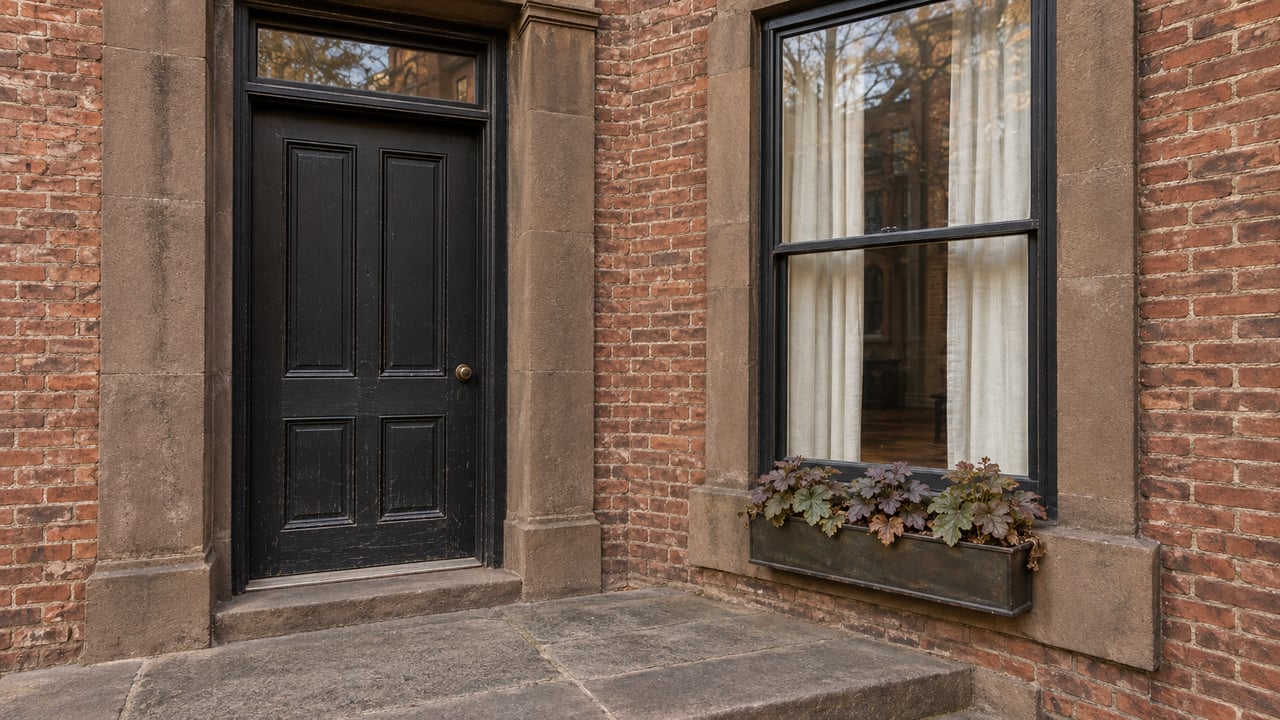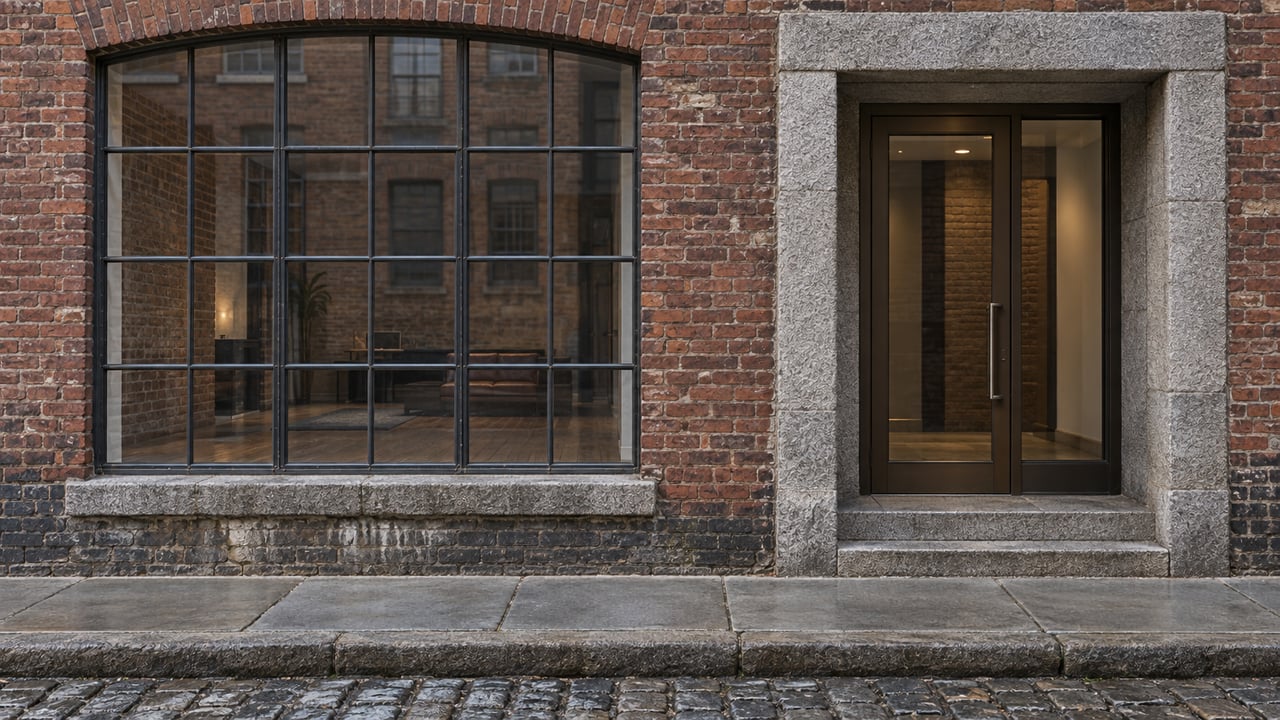
If you picture the Upper East Side as only polished facades and museum steps, you are seeing just part of the story. Everyday life here is much more practical, layered, and easy to settle into, especially if you value walkability, transit access, and a neighborhood rhythm that works on a daily basis. From park time and riverfront paths to grocery runs, cafes, and apartment-lined side streets, this guide will help you understand how the Upper East Side actually feels to live in. Let’s dive in.
Where the Upper East Side Begins and Ends
The Upper East Side is generally defined by Manhattan Community District 8 as the area from East 59th Street to East 96th Street, between Fifth Avenue and the East River. In day-to-day terms, that broad area includes familiar sections like Lenox Hill and Yorkville, which helps explain why the neighborhood can feel different as you move east or west.
This is also one of Manhattan’s most densely populated residential districts, according to the NYPD’s 19th Precinct. That density shapes the pace of life in a useful way. You are surrounded by apartment buildings, local retail, and transit options, so routine errands often feel built into the neighborhood rather than tacked onto your day.
Why Daily Life Feels Easy
One of the clearest things about the Upper East Side is how naturally it supports a walk-and-transit lifestyle. City active-design data shows 95.0 percent park access, 74.0 percent subway access, 10.7 percent sidewalk area, and 25.0 percent bike-lane coverage.
Those numbers help explain the neighborhood experience on the ground. You can often handle a morning coffee run, a grocery stop, a park walk, and a subway trip without much planning. For many residents, that kind of daily convenience is a major reason the neighborhood feels so livable.
Upper East Side Streetscape by Area
The Upper East Side is not one uniform block of Manhattan. It is better understood as a series of connected street types, each with its own rhythm.
West Side Near Fifth Avenue
Closer to Fifth Avenue, the neighborhood feels tied to Central Park and Museum Mile. This stretch has a landmark-heavy identity, with major cultural institutions facing the park and a built environment that often feels more formal and historic.
If your routine includes park walks, museum visits, or simply enjoying a quieter, more established streetscape, this side of the neighborhood stands out. It tends to feel more defined by architecture, cultural destinations, and proximity to open space.
Midblocks and Interior Streets
In the middle of the neighborhood, many side streets reflect the controlled scale shaped by local zoning. NYC Planning notes that Upper East Side midblocks include R8B residence districts, while wider streets include R8A districts, both intended to maintain a scale similar to older high-density apartment buildings.
That planning framework helps many blocks feel dense without feeling visually overwhelming. You get rows of apartment houses, a steady street wall, and side streets that often feel calmer than the main avenues.
East Side Toward the River
Farther east, the neighborhood often shifts into a more practical daily pattern. Research from the MTA describes the area around Second Avenue, especially near 86th Street and 72nd Street, as a place where restaurants, cafes, supermarkets, and neighborhood services are part of the regular street mix.
This part of the Upper East Side can feel especially functional for everyday living. It is where many residents move through their normal routines, with dining, errands, and local services concentrated along the main corridors.
What the Housing Stock Looks Like
If you are thinking about living on the Upper East Side, it helps to know that ownership here is overwhelmingly apartment-based. Community Board 8 reports that over 98 percent of owner households live in cooperatives or condominiums.
That matters because your housing search will likely be building-specific, not house-specific. Layout, building rules, amenities, doorman service, elevator access, and board processes can all shape your experience as much as the block itself.
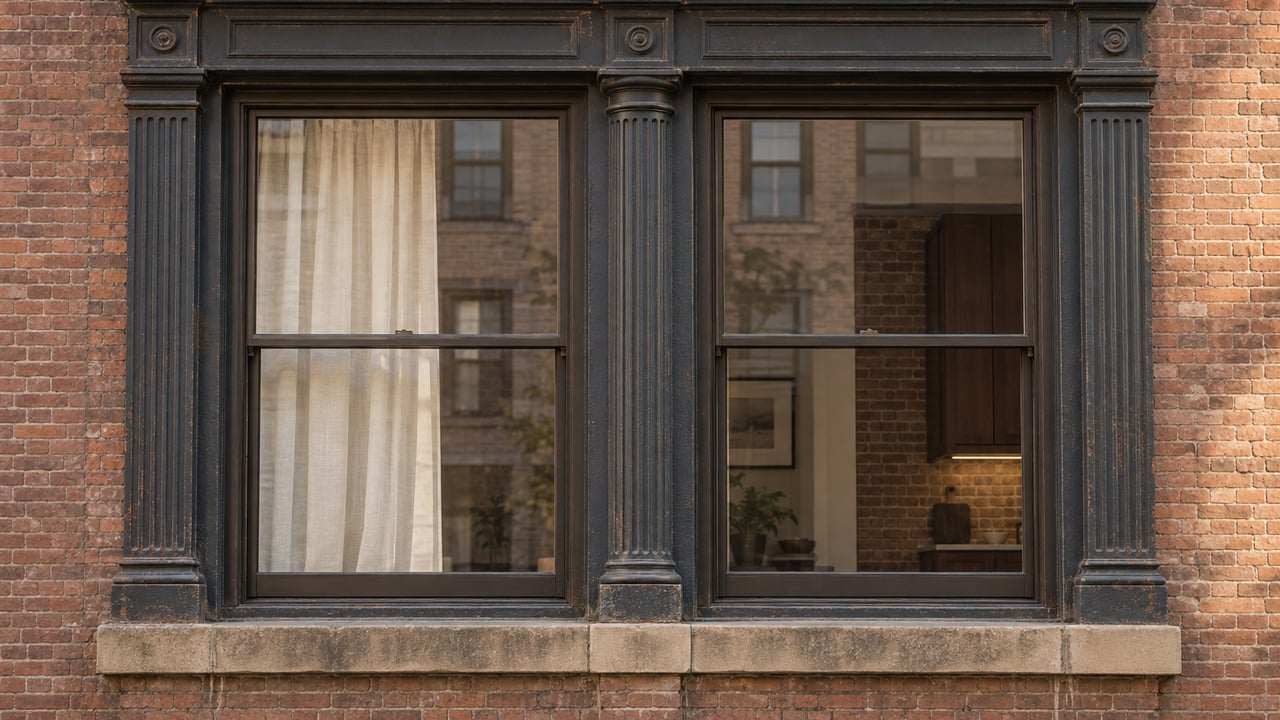
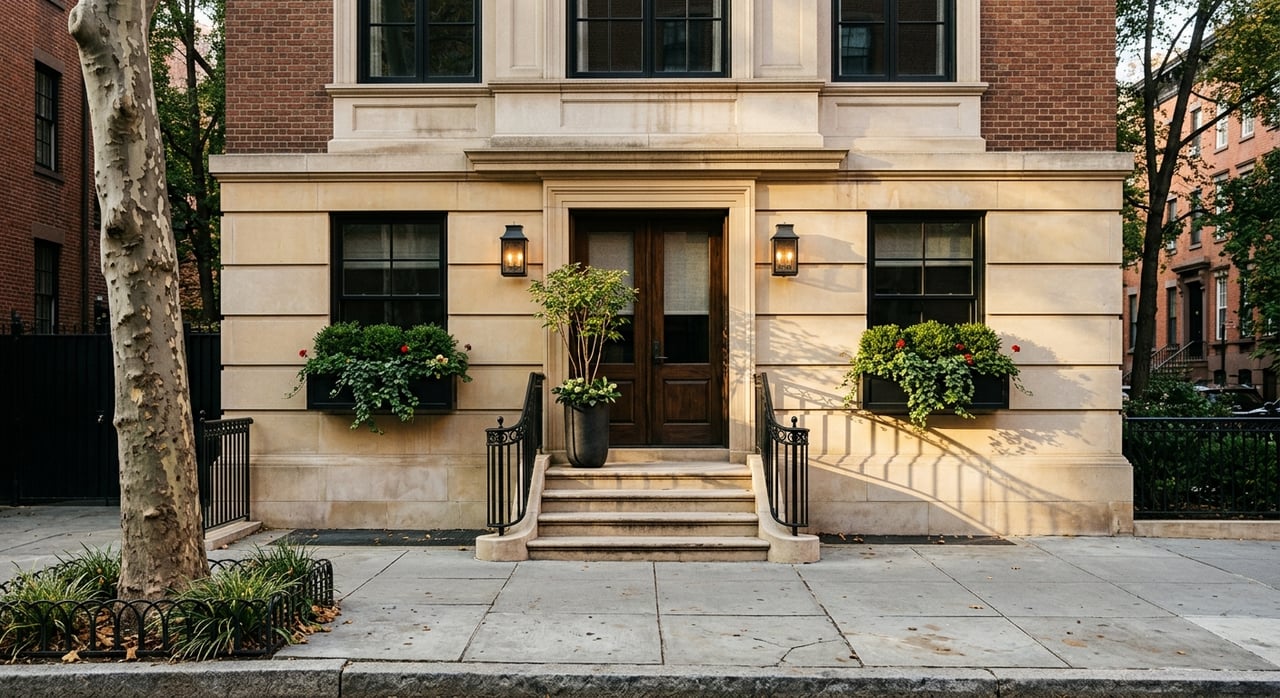
The neighborhood’s architecture also tells a long development story. Landmarks Preservation Commission materials describe a mix of 19th-century rowhouses and early 20th-century apartment houses, including Italianate and neo-Grec rowhouses with raised stoops, as well as Renaissance Revival and Colonial Revival apartment buildings.
That layered housing stock is a big part of the appeal. On one block, you may see preserved rowhouses. On the next, you may find full-block brick apartment buildings or prewar co-ops that define the classic Upper East Side look.
Parks, Museums, and Open Space
A major part of Upper East Side living is how easy it is to reach meaningful open space. Central Park forms the neighborhood’s western edge, running from 59th Street to 110th Street, so it functions less like a special outing and more like an extension of daily life.
That can make a real difference in how the neighborhood feels. Whether you want a quick walk before work, a place to reset on weekends, or an easy outdoor route nearby, the park is built into the western side of the neighborhood experience.
On the east side, Carl Schurz Park offers a different kind of open space. It combines neighborhood-scale riverfront access with civic character, including Gracie Mansion at East End Avenue and 88th Street and a fitness path within the park.
The waterfront adds another layer to everyday life here. The East 81st Street pedestrian bridge connects to the John Finley Walk, and the NYC Ferry Soundview route includes the East 90th Street landing. These details make the riverfront feel usable for regular movement and exercise, not just occasional views.
Museum Mile as Part of Local Life
Museum Mile gives the Upper East Side one of its most recognizable identities. Along Fifth Avenue from 82nd Street to 105th Street, eight museums line the edge of Central Park.
That includes The Met Fifth Avenue at 1000 Fifth Avenue, the Guggenheim at 1071 Fifth Avenue at 88th Street, and the Museum of the City of New York at 1220 Fifth Avenue near 104th Street. Even if you are not visiting museums every week, living near this corridor shapes the feel of the neighborhood in a very visible way.
It gives the Upper East Side a cultural backbone that is hard to miss. For some residents, that means easy access to world-known institutions. For others, it simply means living in a part of Manhattan where architecture, parks, and culture all meet within a short walk.
Shopping and Dining Corridors
For everyday needs, the Upper East Side runs on a handful of dependable commercial corridors. The NYPD identifies Madison, Lexington, and Third Avenues as major shopping avenues in the southern part of the precinct.
The MTA’s neighborhood review adds more detail, especially around 86th Street, where you will find restaurants, cafes, a supermarket, and other retail. Around 72nd Street, side streets are described as more service-oriented, with uses like dry cleaning and hair and nail salons.
This distinction matters when you are trying to picture your routine. The main avenues do much of the heavy lifting for dining and shopping, while many side streets support the quieter, practical parts of neighborhood life.
Getting Around the Neighborhood
Transit on the Upper East Side is layered, which is one reason the area works so well for everyday living. The Second Avenue Subway added stations at 72nd, 86th, and 96th Streets, while the east side of Central Park is also served by the 4, 5, and 6 trains at 86th Street.
Bus service also plays an important role in short local trips. MTA Bus Time shows the M15-SBS as a key north-south route and the M96 as an important crosstown option.
In real life, this means you are not relying on just one line or one corridor. Depending on where you are headed, you can combine walking, subway service, bus routes, and even the ferry for a more flexible city routine.
What Upper East Side Living Really Feels Like
The best way to think about the Upper East Side is not as a single mood, but as a neighborhood with several overlapping versions of daily life. The west side feels closely tied to Central Park and Museum Mile. The middle carries much of the classic rowhouse and prewar apartment texture. The east side often leans more into practical routines, with restaurants, services, and riverfront access woven into everyday movement.
That mix is what gives the neighborhood staying power. It can feel elegant, convenient, cultural, and residential at the same time, depending on your block and your routine.
If you are considering a move here, it helps to look beyond the neighborhood’s reputation and focus on how you actually want to live day to day. Building type, avenue access, park proximity, and transit patterns can all change the experience in meaningful ways.
If you want help understanding how a specific Upper East Side block, building, or apartment fits your goals, Ian Radoncic can help you navigate the search with clear advice and a steady New York perspective.
FAQs
What defines the Upper East Side in Manhattan?
- The Upper East Side is generally defined by Manhattan Community District 8 as the area from East 59th Street to East 96th Street, between Fifth Avenue and the East River.
What is everyday transportation like on the Upper East Side?
- Daily transportation on the Upper East Side is supported by walking, subway service, buses, bike-lane coverage, and the East 90th Street NYC Ferry landing.
What kinds of homes are common on the Upper East Side?
- Homes on the Upper East Side are overwhelmingly apartment-based, with over 98 percent of owner households living in cooperatives or condominiums.
What are the main shopping streets on the Upper East Side?
- Major shopping and errand corridors on the Upper East Side include Madison, Lexington, and Third Avenues, with active retail and dining also noted around 86th Street and along Second Avenue.
What parks serve the Upper East Side?
- The main parks serving the Upper East Side are Central Park along the west side and Carl Schurz Park along the East River.
How does the Upper East Side change from west to east?
- The Upper East Side generally shifts from a park- and museum-focused western edge to quieter midblocks with classic apartment houses, then to a more practical eastern section shaped by neighborhood retail, dining, and riverfront access.