If you want a Manhattan neighborhood where your weekend can start with a gallery walk, continue on an elevated park, and end with dinner a few blocks later, Chelsea stands out fast. You may be comparing it with other downtown areas, or you may already know you want to live near the High Line and the art scene but need a clearer picture of how the neighborhood actually feels block by block. This guide will help you understand Chelsea’s culture, housing mix, lifestyle anchors, and what to keep in mind if you plan to buy, rent, sell, or invest here. Let’s dive in.
Why Chelsea draws art lovers
Chelsea’s identity is closely tied to art, especially in West Chelsea. New York City Planning has described West Chelsea as the city’s premier art gallery district, with galleries and art-related uses filling former garages, warehouses, and other light-industrial spaces.
That history still shapes the neighborhood today. If you are drawn to creative energy, Chelsea offers a rare mix of cultural activity and everyday livability, where gallery buildings, residential streets, and waterfront access all sit within a short walk of one another.
West Chelsea's gallery character
The gallery presence is not just a branding idea. It is built into the neighborhood’s physical fabric, especially near Tenth and Eleventh Avenues, where former industrial spaces helped create the loft-like, arts-focused feel that many buyers and renters associate with Chelsea.
Current High Line materials still label the surrounding walk as the Gallery District. Nearby cultural anchors on that same map include the Whitney Museum, Chelsea Market, Hudson Yards, and the West Chelsea Historic District, which helps show how closely the area’s art, architecture, and daily rhythm connect.
The Whitney and nearby culture
The Whitney Museum at 99 Gansevoort Street sits at the southern entrance to the High Line. Its location matters because it helps connect Chelsea with the broader cultural energy of the adjacent Meatpacking area.
For you as a resident or future buyer, that means art is not limited to a once-in-a-while destination. It becomes part of the neighborhood routine, whether you are meeting friends, walking to dinner, or spending a free afternoon exploring nearby blocks.
The High Line shapes daily life
The High Line is one of Chelsea’s defining features. This 1.45-mile elevated public park runs from Gansevoort Street to West 34th Street between Tenth and Eleventh Avenues, built on a former freight rail line and managed by Friends of the High Line under NYC Parks.
Its design preserves the old rail structure and even weaves tracks into the planting beds, which gives the park a distinct sense of place. If you love architecture, landscape design, and urban reuse, the High Line is not just a nice amenity. It is part of what makes Chelsea feel unlike anywhere else in Manhattan.
Easy access points in Chelsea
Nearby entrances listed by the High Line include 14th, 16th, and 23rd Streets. Those access points make it easy to fold the park into daily life, whether you are heading out for a morning walk, taking a break after work, or showing visiting friends around the neighborhood.
This kind of walkability can matter when you compare buildings. In Chelsea, even a few blocks can shape how connected you feel to the High Line, the galleries, and the west side waterfront environment.
More than a park
The High Line is also a cultural venue. According to the park, it produces more than 30 art projects each year and hosts more than 450 public programs and activities annually, including exhibitions, performances, video programs, and site-specific commissions.
That steady programming adds another layer to Chelsea living. If you are someone who wants your neighborhood to offer movement and variety, this helps explain why the area stays engaging long after the first walk on the High Line.
Chelsea lifestyle beyond the art scene
Chelsea’s appeal is broader than galleries and museums. It also offers strong dining and fitness options, which can make the neighborhood especially attractive if you want convenience without giving up character.
The result is a lifestyle that feels distinctly urban but still practical. You can spend your day moving between cultural spaces, restaurants, fitness centers, and residential blocks without needing to travel far.
Chelsea Market and dining access
Chelsea Market is one of the neighborhood’s main dining anchors. Its official site describes it as an internationally renowned culinary destination and one of the world’s major indoor food and retail marketplaces.
Because Chelsea Market sits on the border of West Chelsea and Meatpacking, dining is spread across the surrounding area instead of confined to one strip. For you, that means more variety across the neighborhood and more ways to match your day-to-day routine with the blocks that suit you best.
Strong fitness options
Chelsea also stands out for fitness. Chelsea Piers Fitness on Pier 60 overlooks the Hudson River and includes the only indoor sand volleyball court in Manhattan, while the NYC Parks Chelsea Recreation Center at 430 West 25th Street is one of the city’s largest recreation centers.
The recreation center includes a six-lane pool, basketball and volleyball courts, fitness rooms, a dance studio, and arts and educational programming. If you are evaluating quality-of-life factors, these kinds of amenities can make Chelsea feel more complete than neighborhoods that rely only on restaurants and nightlife.
Chelsea housing by area
One of Chelsea’s biggest strengths is its range of housing types. According to NYC Planning, the neighborhood includes low-rise pre-war brownstones and townhouses, luxury converted lofts, mid- and high-rise apartment buildings, condominiums and cooperatives, and low- to mid-rise walk-up tenements.
That variety gives you real choices, but it also means Chelsea is best understood by micro-location. The feel of one section can differ noticeably from another, even within a short walk.
East of Tenth Avenue
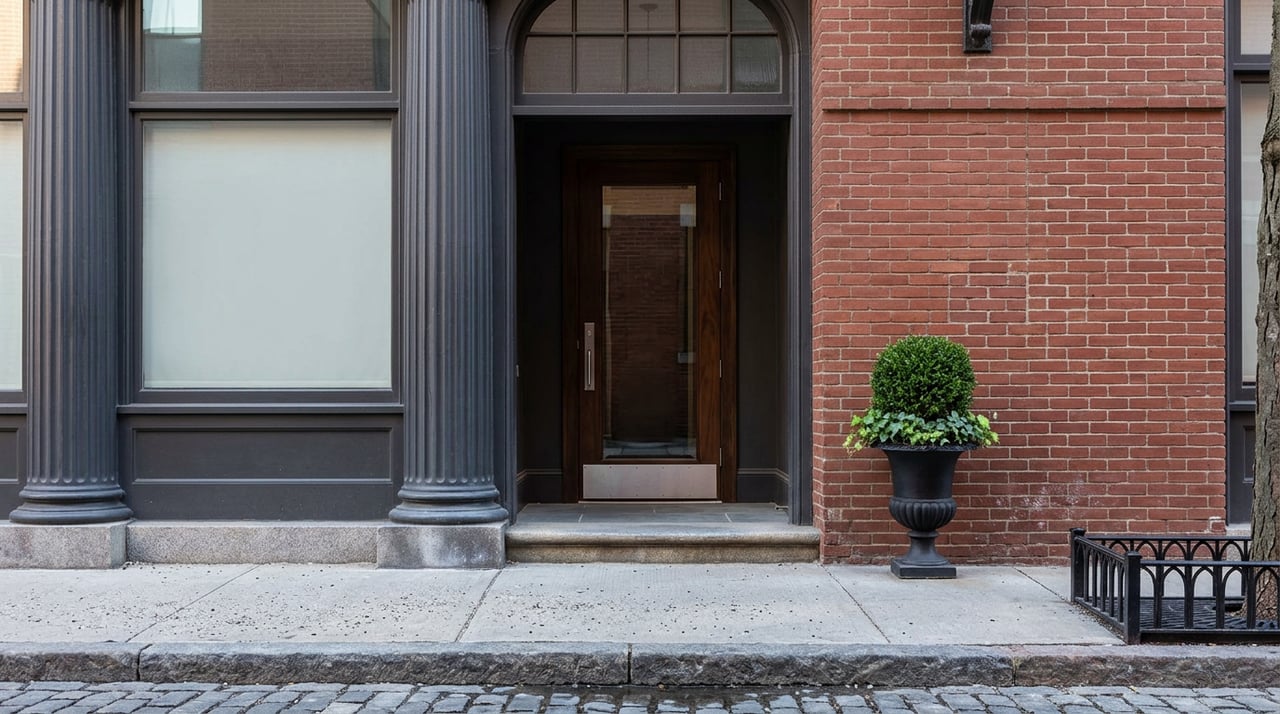
East of Tenth Avenue, Chelsea often reads as more residential and older in character. Pre-war brownstones and townhouses are especially prominent from West 24th Street through the upper teens between Seventh and Ninth Avenues.
Sixth and Seventh Avenues also include more luxury residential buildings with ground-floor retail. If you want a classic Manhattan streetscape with a more traditional residential feel, this part of Chelsea may be where your search starts.
West Chelsea near the High Line
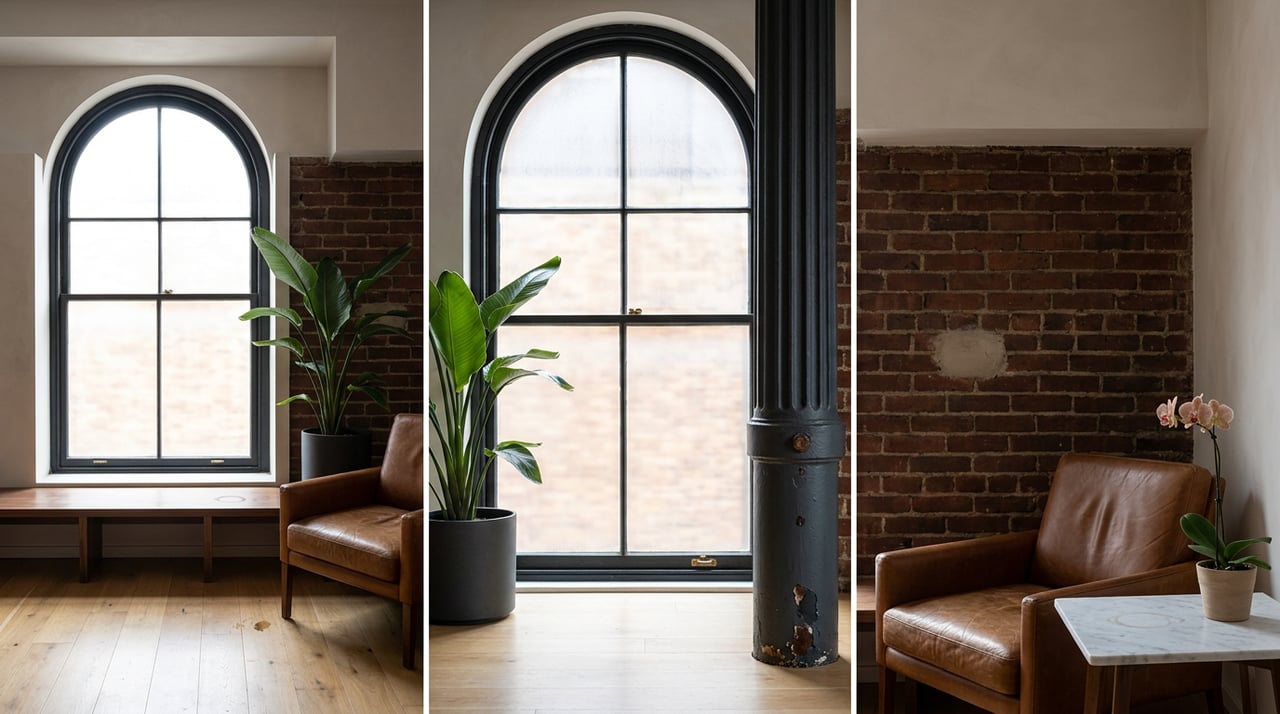
Closer to the High Line and farther west, the neighborhood tends to feel more gallery-driven, loft-like, and newer. North of West 23rd Street, NYC Planning notes that the area is generally characterized by converted industrial lofts.
The low West 20s between Tenth and Eleventh Avenues have seen more luxury rentals, owner-occupied buildings, and loft conversions. If your ideal Chelsea home includes oversized windows, a more modern building profile, or a direct connection to the art-and-High-Line side of the neighborhood, this area may be a strong fit.
What the market says about Chelsea
Chelsea is a high-cost Manhattan market, and that is important to understand early in your search. Current snapshots show a median listing price of about $1.88 million and a median rent of about $6.1K, while Redfin reports a median sale price of about $1.88 million and median days on market of 121 as of spring 2026.
For buyers, that means preparation matters. For sellers and landlords, it reinforces that Chelsea remains a neighborhood with active resale and rental demand, but building type, layout, and exact location can still shape positioning and timing.
Why building type matters here
In Chelsea, pricing is rarely just about square footage. A pre-war townhouse block, a converted loft, a co-op, and a newer condo tower can attract different buyers or renters even when they sit relatively close together.
That is why neighborhood guidance in Chelsea has to go beyond the zip code. You need to look at the building, the block, the west-versus-east feel, and how closely the property aligns with the lifestyle you actually want.
Who Chelsea fits best
Chelsea can work well for several types of clients, especially if you value culture, walkability, and a broad housing mix. It is especially compelling if you want Manhattan living that feels layered rather than one-note.
You may be a buyer looking for a condo or loft-like apartment, a renter who wants direct access to the High Line, a seller preparing to position a home in a competitive luxury-leaning market, or an investor evaluating neighborhood demand drivers. In each case, the details matter.
Good fit for buyers and renters
If you are choosing between neighborhoods, Chelsea can appeal to you if you want:
- Regular access to the High Line
- A strong gallery and museum presence
- A mix of pre-war, loft, co-op, condo, and newer building options
- Dining and fitness anchors within walking distance
- A neighborhood that balances residential blocks with cultural energy
Good fit for sellers and investors
Chelsea can also be compelling if you own property here or are considering an investment. The neighborhood’s combination of cultural identity, housing variety, and active rental and resale environment can support strong interest, but presentation, pricing, and building-specific strategy still matter.
That is especially true in Manhattan, where board processes, building rules, and buyer expectations can vary widely from one property to the next. A clear understanding of both the neighborhood and the building can make a real difference.
How to approach a Chelsea move
If Chelsea is on your shortlist, start by deciding what matters most in your day-to-day life. Do you want to be near the High Line and galleries, or do you prefer a quieter, more classic residential block farther east?
Then narrow your search by housing type, building style, and budget. In Chelsea, those choices often shape your experience more than the neighborhood name alone.
A helpful way to think about Chelsea is this:
- For classic residential charm: look toward the brownstone and townhouse blocks between Seventh and Ninth Avenues
- For loft character: focus on converted industrial areas, especially north of West 23rd Street
- For newer luxury living: explore the western side and parts of Sixth and Seventh Avenues with more recent residential development
- For culture-first convenience: prioritize homes with easy access to the High Line, Whitney, and Chelsea Market
Chelsea earns its reputation because it offers more than one version of Manhattan living. If you want a neighborhood where art, design, architecture, and everyday convenience genuinely intersect, it remains one of the city’s most distinctive choices.
If you are thinking about buying, renting, selling, or investing in Chelsea, working with a local advisor can help you sort through building differences, pricing context, and the block-by-block feel that shapes the right decision. To start the conversation, connect with Ian Radoncic.
FAQs
What makes Chelsea a strong neighborhood for art lovers?
- Chelsea is closely tied to New York City’s gallery scene, especially in West Chelsea, which NYC Planning has described as the city’s premier art gallery district. The neighborhood also benefits from the Whitney Museum and the High Line’s year-round art programming.
Where can you enter the High Line in Chelsea?
- The High Line lists nearby Chelsea entrances at 14th, 16th, and 23rd Streets, making it easy to access from several points in the neighborhood.
What types of homes can you find in Chelsea?
- Chelsea includes pre-war brownstones and townhouses, converted lofts, condominiums, cooperatives, mid- and high-rise apartment buildings, walk-up tenements, luxury rentals, and newer residential towers.
How does West Chelsea differ from eastern Chelsea?
- West Chelsea tends to feel more gallery-driven, loft-like, and newer, while areas east of Tenth Avenue often feel more residential and older in character, with more brownstones and townhouses.
What is the current price range context in Chelsea?
- Recent market snapshots show Chelsea with a median listing price of about $1.88 million, a median sale price of about $1.88 million, and median rent of about $6.1K, which frames it as a high-cost market with active resale and rental activity.