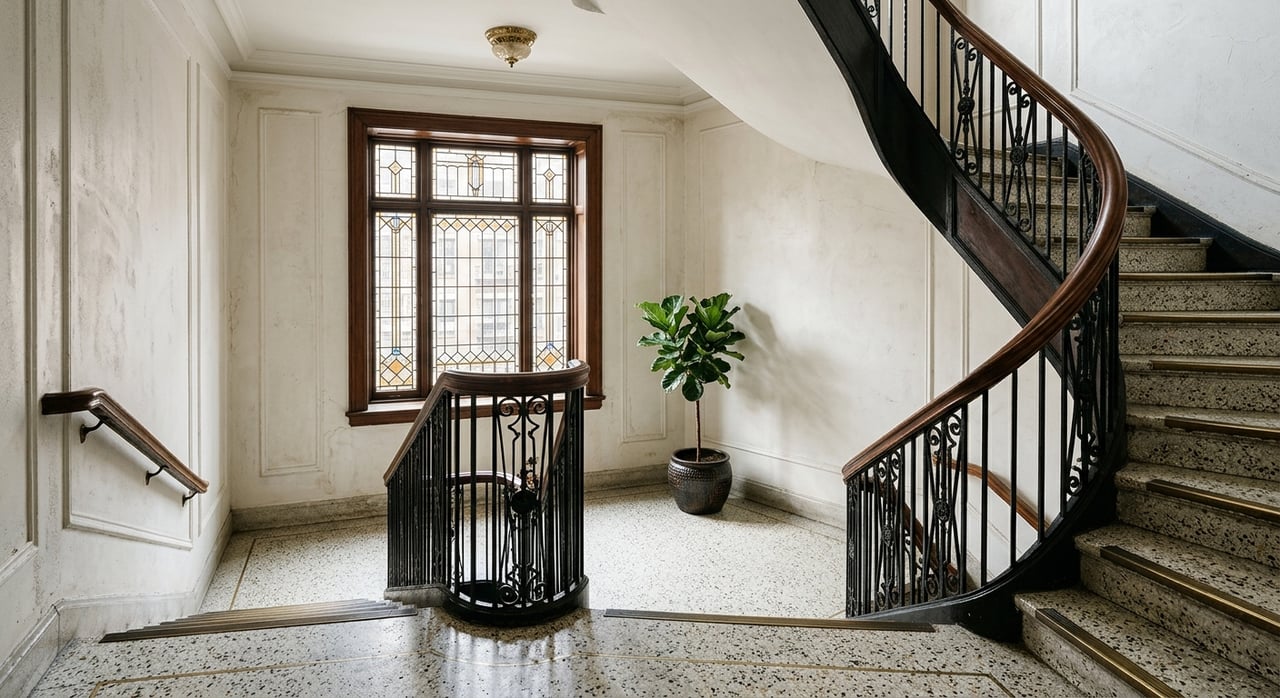
Thinking about buying a prewar home in Greenwich Village? You are not just choosing square footage or finishes here. You are choosing a building type, a block, and often a whole set of rules that can shape how you live and what you can change. If you want the charm of older New York with a clear-eyed view of the tradeoffs, this guide will help you know what to look for before you buy. Let’s dive in.
Why Greenwich Village Feels Different
Greenwich Village stands apart because its housing stock is not built around one standard format. According to New York City planning materials and the National Park Service, the neighborhood includes rowhouses, townhouses, tenements, and apartment buildings within a preserved historic setting. That mix is a big reason the area feels layered and distinct from block to block.
For you as a buyer, that means a “prewar home” in Greenwich Village can mean several very different things. You might be looking at a converted townhouse, a smaller prewar apartment house, or a larger elevator building on an avenue. Each option comes with its own layout, ownership structure, and renovation considerations.
Prewar Home Types to Expect
Townhouses and Rowhouses
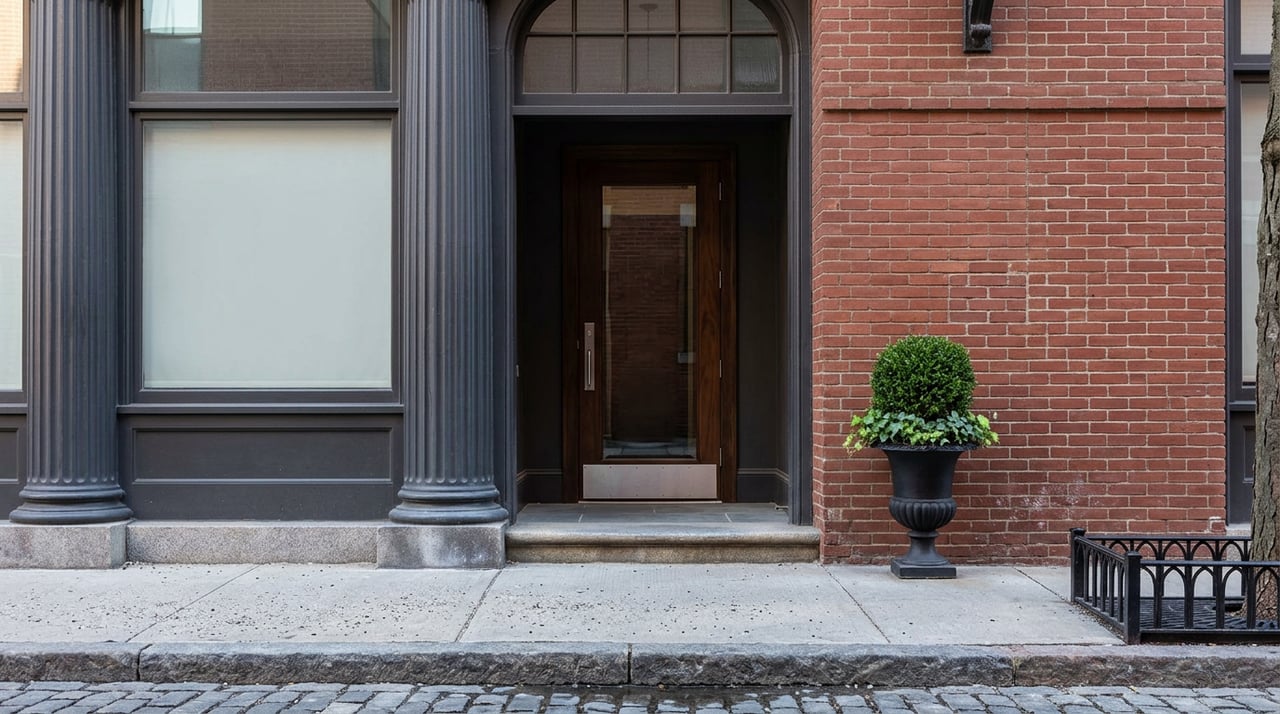
On many Village side streets, planning materials describe three- to four-story townhouses and rowhouses lining narrower, tree-lined blocks. These homes often appeal to buyers who want historic residential character and a more intimate street presence. They can also offer a very different living experience from a single-level apartment.
That said, townhouse-style living often means vertical layouts rather than broad, open floor plans. You may be trading convenience for character, especially if daily life is spread across multiple levels. For some buyers, that trade feels worth it right away. For others, it takes careful thought.
Small Prewar Apartment Buildings
Greenwich Village also includes smaller apartment buildings woven into its older residential streets. These can offer a classic prewar feel while keeping you in a more compact building environment than a large avenue-front property. If you want charm without taking on an entire townhouse layout, this category can be appealing.
The layouts in older apartment houses are often less standardized than what you would see in newer condo buildings. Rooms may be shaped differently, circulation can be less predictable, and no two units may feel exactly alike. That is part of the appeal, but it also means you need to evaluate function carefully.
Larger Avenue Buildings
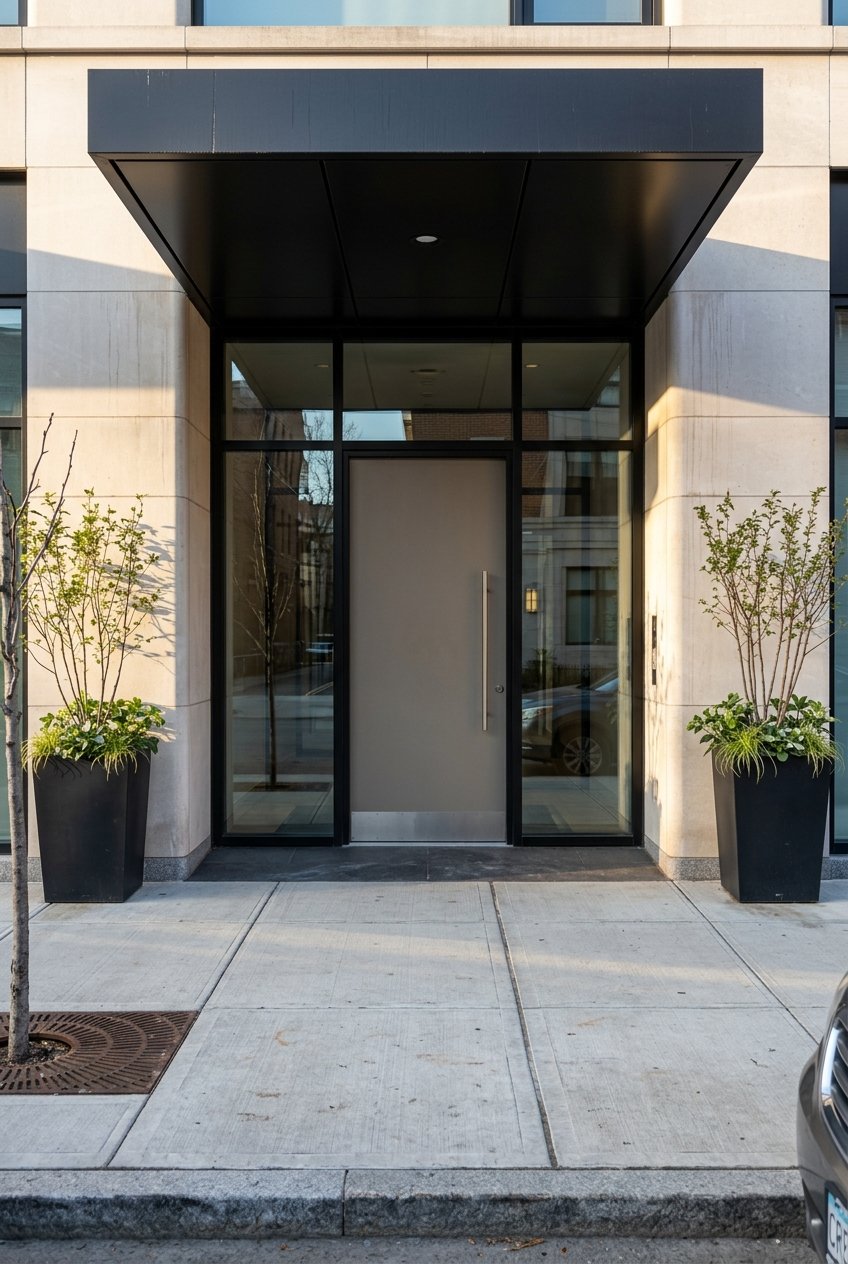
Planning materials also note larger apartment buildings along the avenues, including buildings ranging up to 13 stories in parts of the neighborhood. These homes may feel more urban and less intimate than the side-street stock. For some buyers, that can be a plus if they want elevators, larger building systems, or a more conventional apartment format.
The key is not to assume all prewar homes in Greenwich Village offer the same experience. A quiet rowhouse block and a larger avenue-front building can feel worlds apart, even within the same neighborhood. Your search should be shaped as much by building type as by address.
Why Layout Matters More Here
The Landmarks Preservation Commission’s rowhouse guidance notes that rowhouses are a dominant housing type in many historic districts. In Greenwich Village, that often translates into homes with less uniform layouts than newer developments. You are often comparing narrow vertical plans, older apartment-house layouts, and townhouse conversions rather than repeatable condo stacks.
This matters because a beautiful prewar home can still feel wrong for your day-to-day life. A dramatic staircase, a charming entry hall, or a quirky room shape may photograph well but function differently once you move in. When touring, focus on how you actually live, not just how the space looks.
A practical way to think about it is simple:
- Consider how often you go up and down stairs each day
- Check whether bedrooms and living areas are spread across multiple levels
- Look at kitchen placement in relation to dining and entertaining space
- Notice storage, closet shapes, and room proportions
- Think about natural light by floor and by exposure
Landmark Status Can Shape Your Plans
One of the biggest buyer questions in Greenwich Village is not just, “Do I like this home?” It is also, “What can I change later?” In a historic district, that question matters a lot.
The Landmarks Preservation Commission says it must approve in advance any alteration, reconstruction, demolition, or new construction affecting a landmarked building. Most exterior changes to buildings in historic districts require review. By contrast, ordinary repairs like replacing broken window glass or repainting the exterior the same color do not require a permit.
For more substantial work, a Certificate of Appropriateness may be required. LPC says that can apply to additions, demolitions, new construction, and the removal of stoops, cornices, or other significant features. Interior work can also require review if it needs a Department of Buildings permit, affects the exterior, or involves an interior landmark.
The important takeaway is that landmark status does not freeze a building in time. LPC states that designation does not require an owner to restore removed features or make a building look old. If you want to modernize a home, that can still be possible, but you should understand the approval path before you buy.
Renovation Questions to Ask Early
If you are considering a prewar property with upgrade potential, ask these questions as early as possible:
- Is the building in a historic district?
- Is the home a rowhouse, townhouse conversion, co-op, or condo?
- Are the changes you want interior, exterior, or both?
- Would the planned work require a Buildings permit?
- Has similar work been done in the building before?
- Are there building rules in addition to city review requirements?
These questions can save you time and help you avoid building your offer around assumptions. In Greenwich Village, renovation potential is often real, but it is rarely casual.
Co-op Rules Deserve Real Attention
Many Village buyers focus first on finishes, light, and location. Those matter, of course, but in older New York buildings, governance can matter just as much. If the home is a co-op, you are not simply buying an apartment in the way many buyers imagine.
The New York Attorney General explains that in a co-op, you buy shares in a corporation that are allocated to a specific apartment. Those shares entitle you to a proprietary lease, and maintenance charges are tied to the number of shares allocated to the apartment. That structure affects both ownership and monthly costs.
The Attorney General also notes that co-op boards are elected by shareholders and must follow the by-laws, proprietary lease, certificate of incorporation, and house rules. For you, that means the board process is not only about finances. It is also about whether the building’s governance and rules fit the way you plan to live.
Due Diligence for Older Buildings
Older homes can be deeply appealing, but they also call for careful review. The New York Attorney General recommends reading the full offering plan and consulting an attorney before signing when that documentation applies. The same guidance highlights core due-diligence items including the facade, roof, flooring, appliances, sub-soil conditions, elevators, heating and cooling systems, windows, electrical wiring, and plumbing.
The Attorney General also notes that many older buildings need ongoing repairs. Some of the most expensive issues can involve facade defects, pointing, roof and elevator work, plumbing upgrades, electrical upgrades, and boiler replacement. In a prewar Greenwich Village building, these are not side notes. They are central to how you assess risk.
A smart buyer review often includes:
- Board minutes
- Financial reports
- Posted violations
- Building system history
- Window condition
- Signs of leaks or cracks
- Appliance and plumbing testing before closing
If you are buying a resale, remember that the Attorney General notes resales from individual owners may not include current offering-plan disclosure in the same way as sponsor sales. That makes your own diligence even more important.
Greenwich Village vs. Nearby Alternatives
Sometimes the clearest way to understand Greenwich Village is to compare it with nearby options. If you are deciding between downtown neighborhoods, the building stock can point you in the right direction.
Greenwich Village vs. SoHo
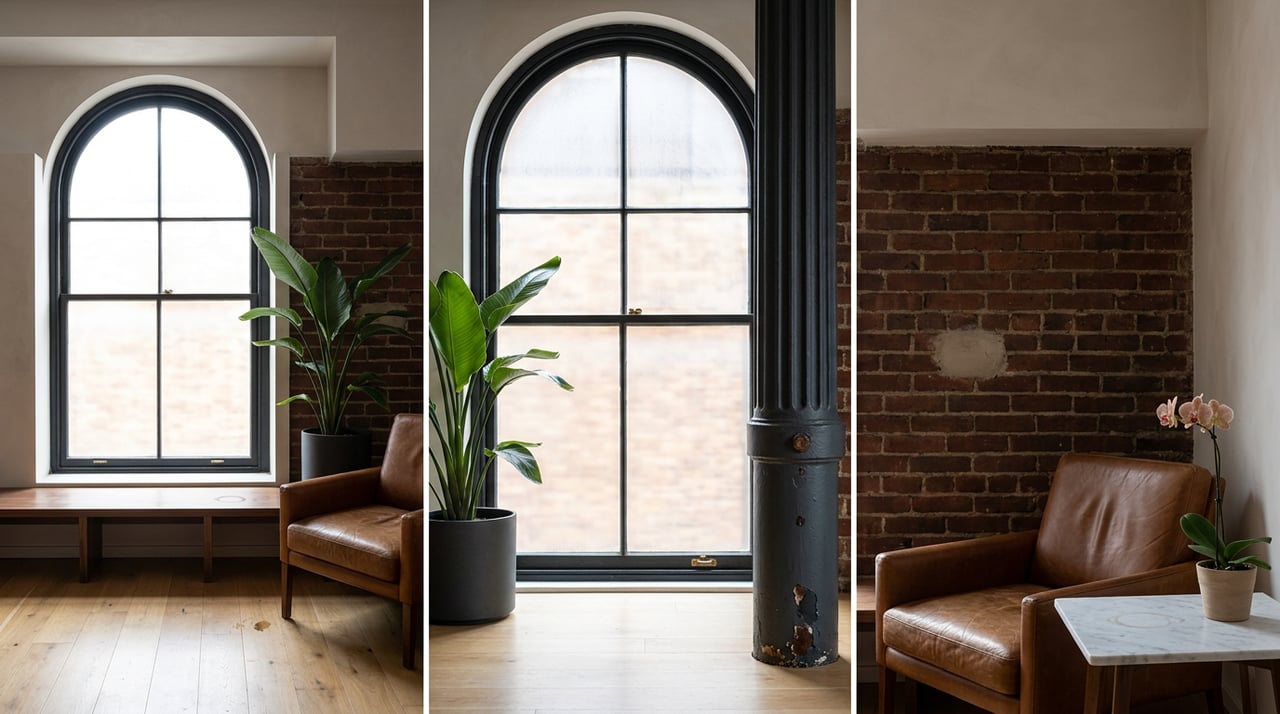
Official planning materials describe SoHo as a former wholesale and manufacturing district known for cast-iron-faced buildings, store-and-loft buildings, and later steel-framed lofts. That gives SoHo a very different residential product from Greenwich Village. If you are drawn to loft-heavy space, SoHo may feel more aligned.
Greenwich Village, by contrast, is more rooted in an older residential mix of rowhouses and apartment buildings. If you want historic residential character, landmark context, and the possibility of townhouse-style living, Greenwich Village is often the closer match.
Greenwich Village vs. West Village
West Village offers another nearby comparison. City records describing West Village Houses point to a 1970s cooperative complex made up of 42 buildings and 428 apartments across six blocks west of Washington Street. That gives you a useful contrast between classic Village prewar stock and a larger postwar co-op setting nearby.
If your priority is a classic prewar feel with highly varied building types, Greenwich Village may offer more of what you are after. If you are open to a larger cooperative environment in the broader Village area, nearby options can expand your search.
What Matters Most Before You Buy
In Greenwich Village, the hidden variables are often more important than the staging. Building type, landmark status, and co-op governance can all affect your ownership experience long after closing. A beautiful apartment or townhouse only works as a purchase if the rules, systems, and layout work for your actual life.
That is why buying here calls for a building-specific mindset. You want to understand not only the charm of a prewar home, but also the approvals, documents, and maintenance realities that come with it. When you do, you are in a much better position to judge both value and fit.
If you are considering buying a prewar home in Greenwich Village, working with an agent who understands downtown Manhattan’s building-by-building differences can make the search much clearer. For thoughtful guidance on purchases, board steps, and evaluating New York homes with both charm and complexity, schedule a consultation with Ian Radoncic.
FAQs
What types of prewar homes can you buy in Greenwich Village?
- In Greenwich Village, you may find converted townhouses, rowhouses, smaller prewar apartment buildings, and larger avenue-front apartment buildings, depending on the block.
What does landmark status mean for a Greenwich Village buyer?
- In a historic district, many exterior changes require Landmarks Preservation Commission review, and some interior work may also require review if it affects the exterior, needs a Buildings permit, or involves an interior landmark.
What should you check before renovating a prewar Greenwich Village home?
- You should confirm the building’s landmark status, whether your work would need permits, and whether building rules or LPC approvals could affect your renovation plans.
What does buying a co-op in Greenwich Village involve?
- In a co-op, you buy shares in a corporation tied to a specific apartment and receive a proprietary lease, with building rules and board governance playing a major role in ownership.
What are common due-diligence issues in older Greenwich Village buildings?
- Key items include the facade, roof, elevators, heating and cooling systems, windows, electrical wiring, plumbing, leaks, cracks, and the building’s financials, minutes, and posted violations.
How is Greenwich Village different from SoHo for prewar buyers?
- Greenwich Village is generally more residential in character with rowhouses and apartment buildings, while SoHo is more associated with loft-style buildings rooted in its commercial and manufacturing history.