Wondering whether a loft-style condo in DUMBO is worth the premium? If you are drawn to soaring ceilings, oversized windows, and that rare mix of industrial character and polished waterfront living, DUMBO can be one of the most compelling places to buy in Brooklyn. The key is knowing how to separate true loft value from expensive square footage, and how to review the building details that matter most before you commit. Let’s dive in.
Why DUMBO stands out
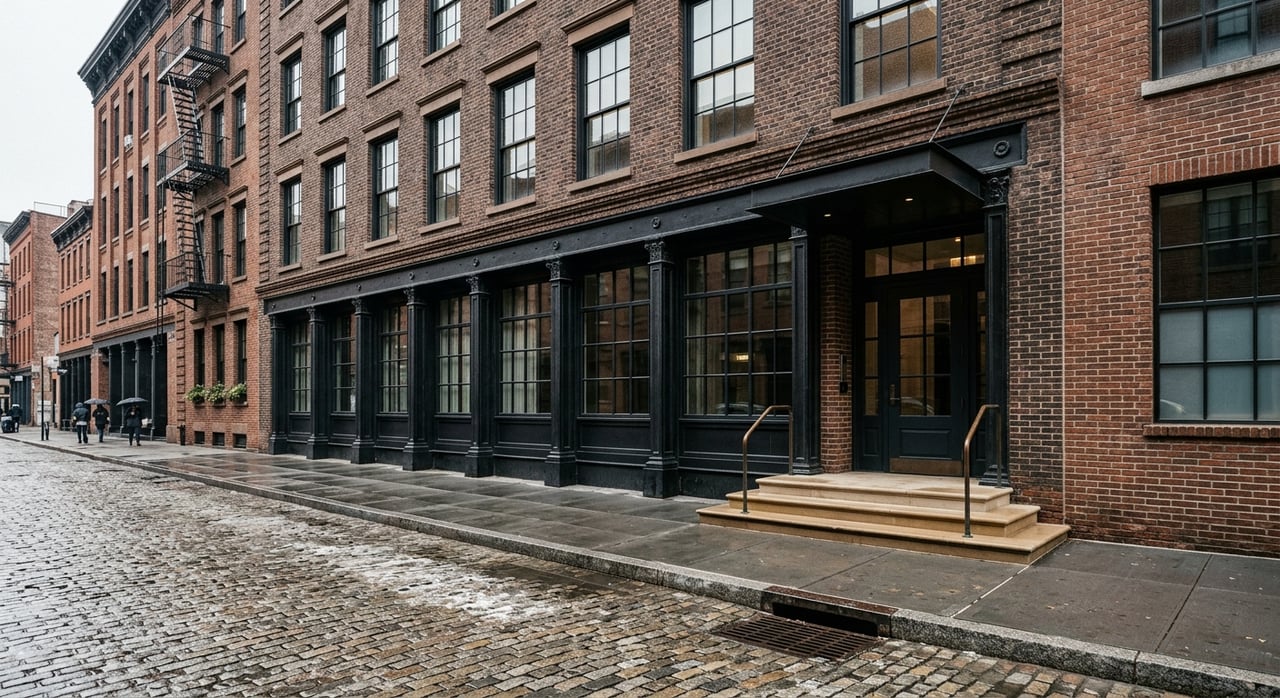
DUMBO is not a typical condo market. Its identity comes from an industrial waterfront past that gradually shifted into residential use through warehouse and factory conversions, followed by newer mixed-use development.
That history still shapes what you can buy today. In practical terms, DUMBO offers a blend that is hard to replicate elsewhere: preserved industrial architecture, modern condo inventory, and a location that feels connected to both Brooklyn and Lower Manhattan.
The neighborhood’s built environment also plays a major role in buyer demand. Historic loft buildings, adaptive reuse, and later rezoning all helped create a market where buyers are often paying for light, volume, architecture, and setting, not just bedroom count.
What loft-style means in DUMBO
In DUMBO, “loft-style” can mean different things depending on the building. Some homes are in converted industrial properties with features tied directly to the neighborhood’s factory past, while others are newer condos designed to echo that aesthetic.
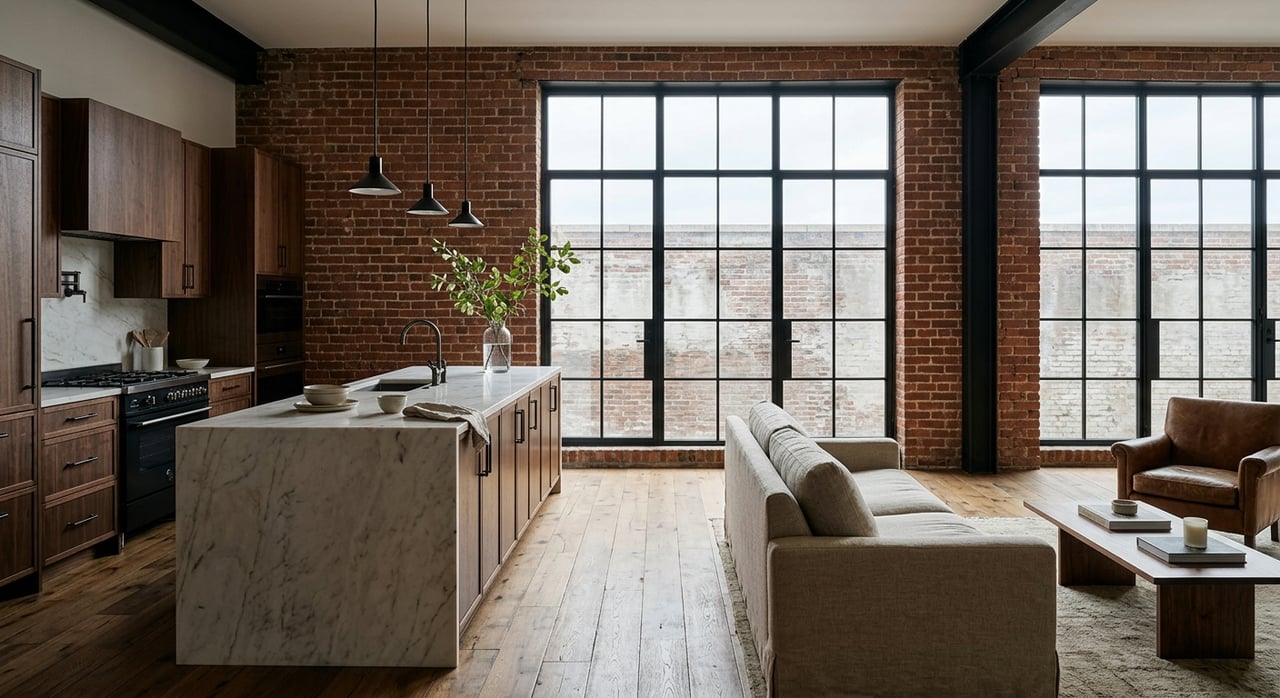
If you are searching for a true loft feel, you will usually be looking for open layouts, large windows, taller ceilings, and visible structural or industrial-inspired details. In converted buildings, those features often come from original construction methods such as steel framing, reinforced concrete, and large factory floor plates.
That distinction matters because a home can look loft-like without offering the same architectural authenticity. If the industrial character is a big part of why you want to buy in DUMBO, it helps to define that early in your search.
Two main condo categories
Converted loft buildings
Converted warehouse and factory buildings are often what buyers picture first when they think of DUMBO. These properties tend to offer the strongest sense of original architecture, along with broad living spaces and dramatic window lines.
For many buyers, this is the appeal. You may get a home that feels unique, design-forward, and closely tied to the neighborhood’s history.
At the same time, every conversion should be reviewed carefully. In older buildings, layout changes, altered spaces, and legal-use questions can matter just as much as finishes and views.
Full-service newer condos
DUMBO also has newer condominium buildings that lean more heavily into convenience and amenities. Current building profiles in the neighborhood show examples with features such as doormen, concierge service, gyms, roof decks, playrooms, storage, parking, and pools.
These buildings may offer less original industrial character than a warehouse conversion, but they can make daily life easier. If your priority is service, recreation space, package handling, or parking, this category may be a better fit.
For many buyers, the decision comes down to tradeoffs. Do you want more architectural personality, or do you want more full-service ease?
What the market says right now
As of March 2026, Realtor.com shows DUMBO with a median listing price of $2,089,000, 74 homes for sale, and a median of 74 days on market. The same source classifies DUMBO as a buyer’s market.
That price point places DUMBO above nearby Brooklyn submarkets like Brooklyn Heights and Williamsburg on current median list price, but below Manhattan loft districts such as SoHo and Tribeca. For buyers comparing neighborhoods, that can make DUMBO feel like a very specific middle ground.
You are still paying a premium here by Brooklyn standards. But relative to some of Manhattan’s best-known loft areas, DUMBO may offer a different value equation for buyers focused on condo ownership, waterfront location, and industrial character.
How to evaluate a loft-style condo
A beautiful loft can be emotionally persuasive very quickly. Before you fall for the ceiling height or the bridge view, it helps to evaluate the property through a more structured lens.
Start with layout and light
In many DUMBO loft-style homes, the feeling of space is the product. Open-plan volume, larger windows, and broad living areas are often central to the value.
As you tour, pay attention to how the home actually lives day to day. A dramatic room can still be challenging if storage is limited, bedrooms feel improvised, or work-from-home space is hard to define.
Compare character versus convenience
Some buyers care most about original architecture. Others want staffed service, a fitness center, storage, or parking.
Neither approach is better. The right choice depends on how you want to live and what tradeoffs you are comfortable making over time.
Review the building, not just the unit
In a condo purchase, the building matters almost as much as the apartment. New York’s Attorney General states that condo ownership includes your unit plus an undivided interest in the common elements, so your investment is tied to the property as a whole.
That is why building documents, budget health, repairs, and board operations deserve close attention. A striking apartment in a poorly understood building can become a much more complicated purchase than it first appears.
The legal checks that matter most
In DUMBO, legal due diligence is especially important because the neighborhood has so many warehouse-to-residential stories behind the facades. A space may look polished and residential, but buyers still need to confirm that its use is lawful.
Confirm the Certificate of Occupancy
The New York City Department of Buildings says a Certificate of Occupancy, or CO, states the legal use and permitted occupancy of a building. It also says a building may not be legally occupied until a CO or Temporary CO has been issued.
For some older buildings, there may be limited exceptions if the building predates 1938 and later alterations did not change use, egress, or occupancy. That is one reason older loft-style buildings need extra review rather than assumptions.
Watch for illegal conversions
DOB defines an illegal conversion as a modification made without proper permits or approval. It specifically flags certain situations, including industrial-use contexts, as safety concerns.
That matters in DUMBO because loft-like space can sometimes blur the line between design appeal and legal status. If any part of a unit feels improvised or unusually configured, that is a sign to slow down and verify.
What documents you should review
For a DUMBO condo purchase, the offering plan and related documents can tell you much more than the marketing materials. The New York Attorney General advises buyers to read the entire offering plan and consult an attorney before signing.
That guidance is especially useful in loft-style and conversion-heavy markets. The details that affect your ownership often live in the legal paperwork, not in the listing description.
Key documents to request
- Offering plan and any amendments
- Building budget
- Board minutes
- Financial reports
- Any disclosures about defects or major capital projects
- Rules on alterations, occupancy, leasing, insurance, and common charges
According to the Attorney General, board minutes and financial reports may reveal expensive repair items. Regulations also require disclosure of common charges, reserves, repairs, access rules, and certain restrictions.
Sponsor sale versus resale
If you are buying from a sponsor or in a newer conversion, the offering plan is central to understanding promised amenities, ancillary spaces, and timing. The Attorney General also provides an Offering Plan Database that buyers can use to review filing dates, amendments, and sponsor information.
If you are buying a resale from an individual owner, sponsor-level disclosure may not be current or available. That makes your document review and professional guidance even more important.
How condo approval usually works
Many buyers moving between property types expect a co-op-style approval process. In a condo, the process is often more focused on document completeness than purchaser approval.
New York regulations state that, where applicable, a condominium board does not have the right to approve or disapprove purchasers, though a declaration can include a right of first refusal or another transfer restriction that must be disclosed. In plain terms, condo purchases are often more straightforward than co-op purchases, but you still need to understand the building’s transfer rules.
Budget beyond the purchase price
In DUMBO, your budget should go further than the contract price. Since the neighborhood’s median listing price is above $1 million, many buyers should expect the New York State mansion tax to be part of the baseline cost.
The state imposes an additional 1% mansion tax on residential purchases of $1 million or more. If you are financing, New York City mortgage recording tax may also apply when a mortgage is recorded, with the rate depending on the mortgage amount.
This is one reason it helps to set your real number early. A loft-style condo can feel attainable at first glance, then look different once taxes and building costs are layered in.
What can affect your timeline
If you are buying in a newly built or newly converted project, timing can be less predictable than buyers expect. The Attorney General says the projected first closing date in the offering plan is important because the first closing of title must occur within 12 months of that projected date.
If that date slips by 12 months or more, purchasers must be offered rescission, though the sponsor may amend the projected date. The takeaway is simple: rely on the legal documents, not just marketing timelines.
For older loft buildings, the timeline issue is usually different. There, the biggest delays can come from document review, building questions, legal-use clarification, or issues tied to altered space.
Is DUMBO the right fit for you?
DUMBO tends to appeal to buyers who want a very specific combination of style and setting. You may be a strong fit if you care about original architecture, larger-scaled interiors, and a neighborhood that feels visually distinct from more standard condo districts.
It can also work well if you want Brooklyn waterfront living while staying within reach of Downtown Manhattan. On the other hand, if your top priorities are maximizing value by square foot or finding a broader range of inventory at lower price points, other neighborhoods may offer more flexibility.
The best DUMBO purchase is usually not the one with the flashiest listing photos. It is the one where the layout, legal status, building health, and long-term fit all line up.
If you are thinking about buying a loft-style condo in DUMBO, a calm, building-specific strategy can make all the difference. For tailored guidance on condos, loft-like apartments, and the New York buying process, schedule a consultation with Ian Radoncic.
FAQs
What makes a loft-style condo in DUMBO different from a standard condo?
- A loft-style condo in DUMBO often emphasizes open layouts, oversized windows, taller ceilings, and industrial character, especially in converted warehouse or factory buildings.
What should you check before buying a condo in a DUMBO conversion building?
- You should confirm the legal use of the space, review the Certificate of Occupancy or any valid exception, and examine building documents such as the offering plan, budget, board minutes, and financial reports.
What is the median listing price for condos in DUMBO?
- As of March 2026, Realtor.com reports a median listing price of $2,089,000 in DUMBO.
Do DUMBO condo buyers usually need board approval like co-op buyers?
- Condo purchases are usually more focused on document completeness than board approval, though some buildings may have a right of first refusal or other transfer restrictions disclosed in the governing documents.
What extra costs should you budget for when buying a DUMBO condo?
- Many buyers should budget for New York State mansion tax on purchases of $1 million or more, and mortgage recording tax may apply if you are financing.
Are all loft-looking spaces in DUMBO legal residential units?
- No. A space can look residential but still require verification of its legal use, occupancy status, permits, and any alterations through the appropriate building records and documents.